
Pain de Mie
EVERYDAY BREAD, THE WAY IT SHOULD BE
WHY YOU’LL LOVE IT
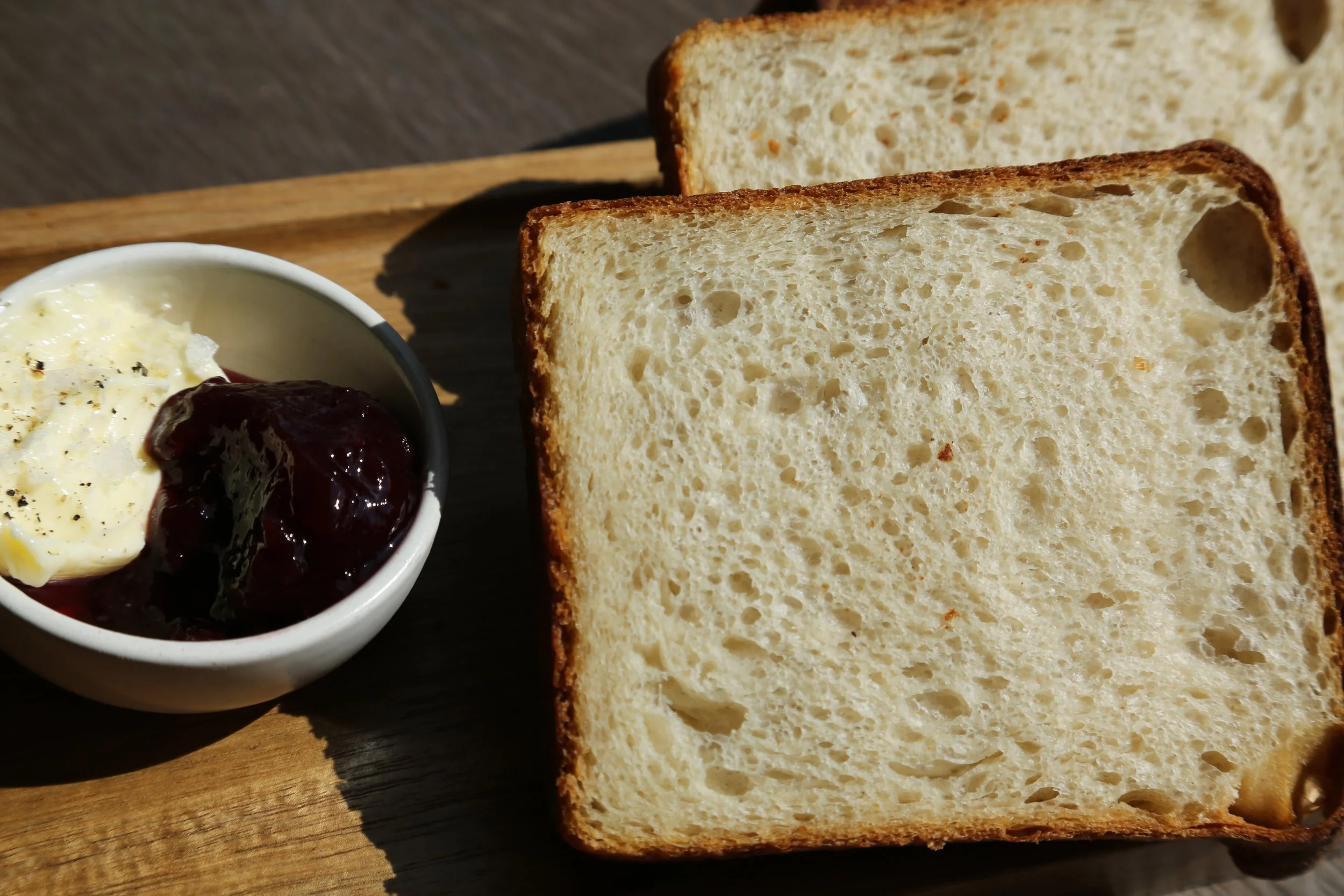
☁️ Pillowy Texture
The squish of a supermarket loaf, but with actual flavor.
🐴 Secretly Wholesome
We use hard white wheat to sneak in whole-grain nutrition without the bitterness.
🥪 Crustless Comfort
Baked in a lidded pan for soft edges. Perfect for bread lovers of all ages.
🧬 Real Sourdough
The same long-fermentation, high-hydration process used in all Razava breads.
THE STORY
In France, pain de mie — literally "bread of the crumb" — was developed in the 18th century as a luxury tea-time sandwich bread for the upper classes, who preferred soft, white loaves with the crusts cut off, leaving only the soft interior. It is the great-grandfather of the American Pullman loaf, those rectangular blocks of bread named for their resemblance to rail cars.
But somewhere along the way, the industrial revolution inherited that soft-white-loaf ideal and stripped it of everything else — the flavor, the fermentation, the nutrition — and trained an entire culture to accept that "sandwich bread" should be a flavorless sponge.
This is a culinary tragedy. Bread goes through two of the most dynamic cooking processes in existence — wild fermentation and intense heat — both designed to produce bursting, complex flavor. And yet we've somehow learned to accept it as a blank. The soft loaf deserved better than what it became. Because let's be real, we all love the texture. We just don't think it needs to taste like printer paper.
This loaf is our version of Wonder Bread, made with the rigorous standards of artisan baking.
WHY WE MAKE IT
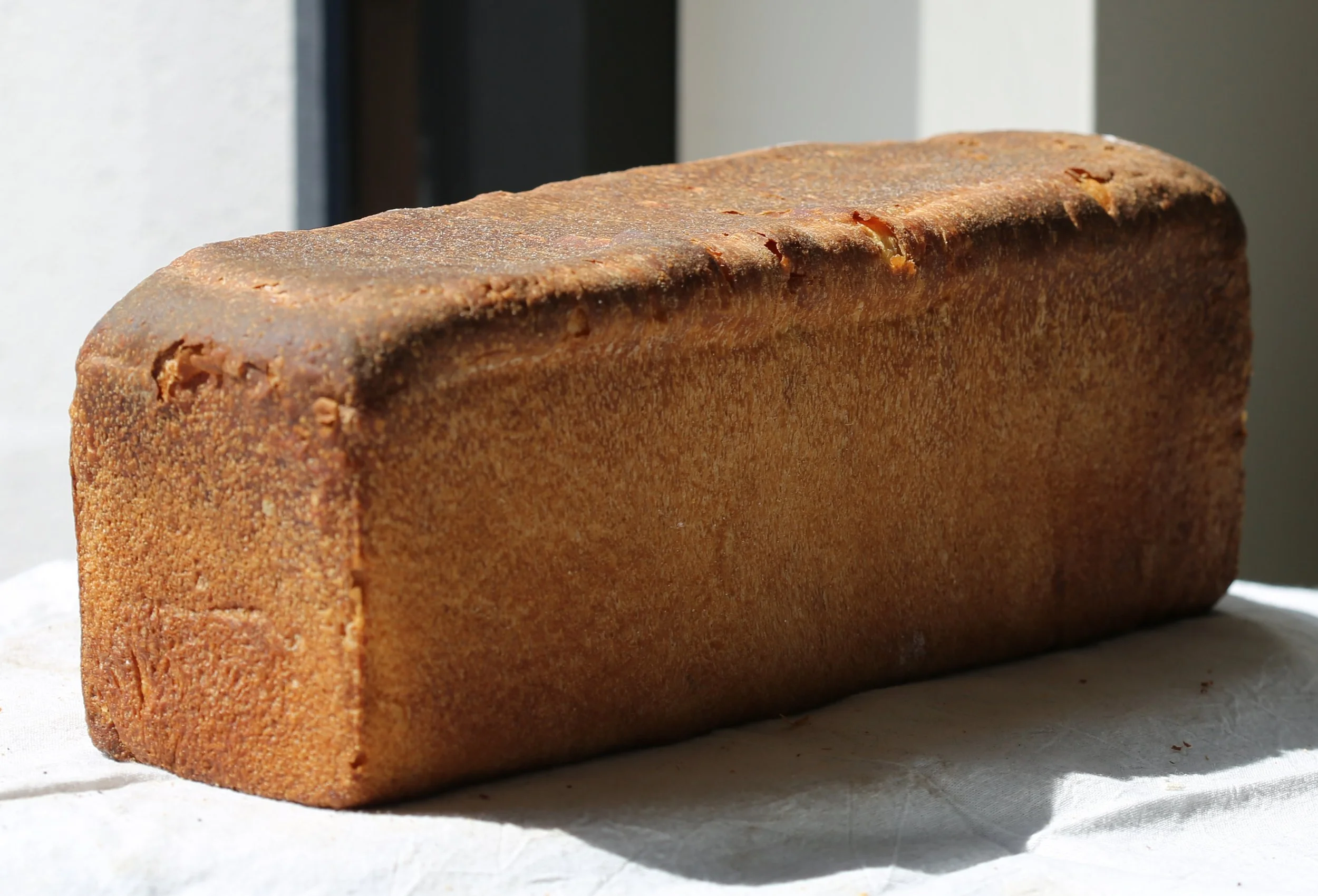
At Razava, we are known for dark, caramelized crusts. So why do we make a soft, golden brick of everyday white bread?
Because we don't think you should have to choose between a bread your kids will eat and a bread you'll savor. Between something that fits in your toaster and something worth tasting. Good bread comes in all shapes and sizes, and the humble sandwich loaf deserves the same care as our hearth-baked miche.
As we like to say, sourdough is a process, not a product. By applying our slow-fermentation methodology to the everyday sandwich loaf, we've created what we call a "gateway sourdough": a daily staple that fits in your toaster, satisfies the urge for soft white bread, and leaves you feeling good.
FLAVOR PROFILE & CRAFT
To achieve that nostalgic texture naturally — without the additives and dough conditioners that industrial bread relies on — we use a technique called a scald: flour mixed with boiling water, prepared in advance. It's an old-world method that allows the dough to absorb significantly more water, locking in moisture from the start and producing a pillowy crumb that stays soft without any shortcuts. We then enrich the dough with sunflower oil, egg yolks, and whole eggs for a rich, tender structure.
The grain is Hard White Wheat from our friends at Meadowlark Organics. Unlike hard red wheat, which carries bitter tannins, white wheat is mild and sweet, but retains the full nutritional profile of a whole grain. A nutritional Trojan Horse.
But here's what most whole-grain breads miss: those nutrients only become bioavailable when the flour is properly hydrated and fermented. Research shows that industrial whole wheat bread often fails to deliver meaningful health benefits because the nutrients remain locked away; the right ingredients, processed the wrong way. Our high-hydration dough and long sourdough fermentation change that, making those fibers and minerals actually accessible to your gut.
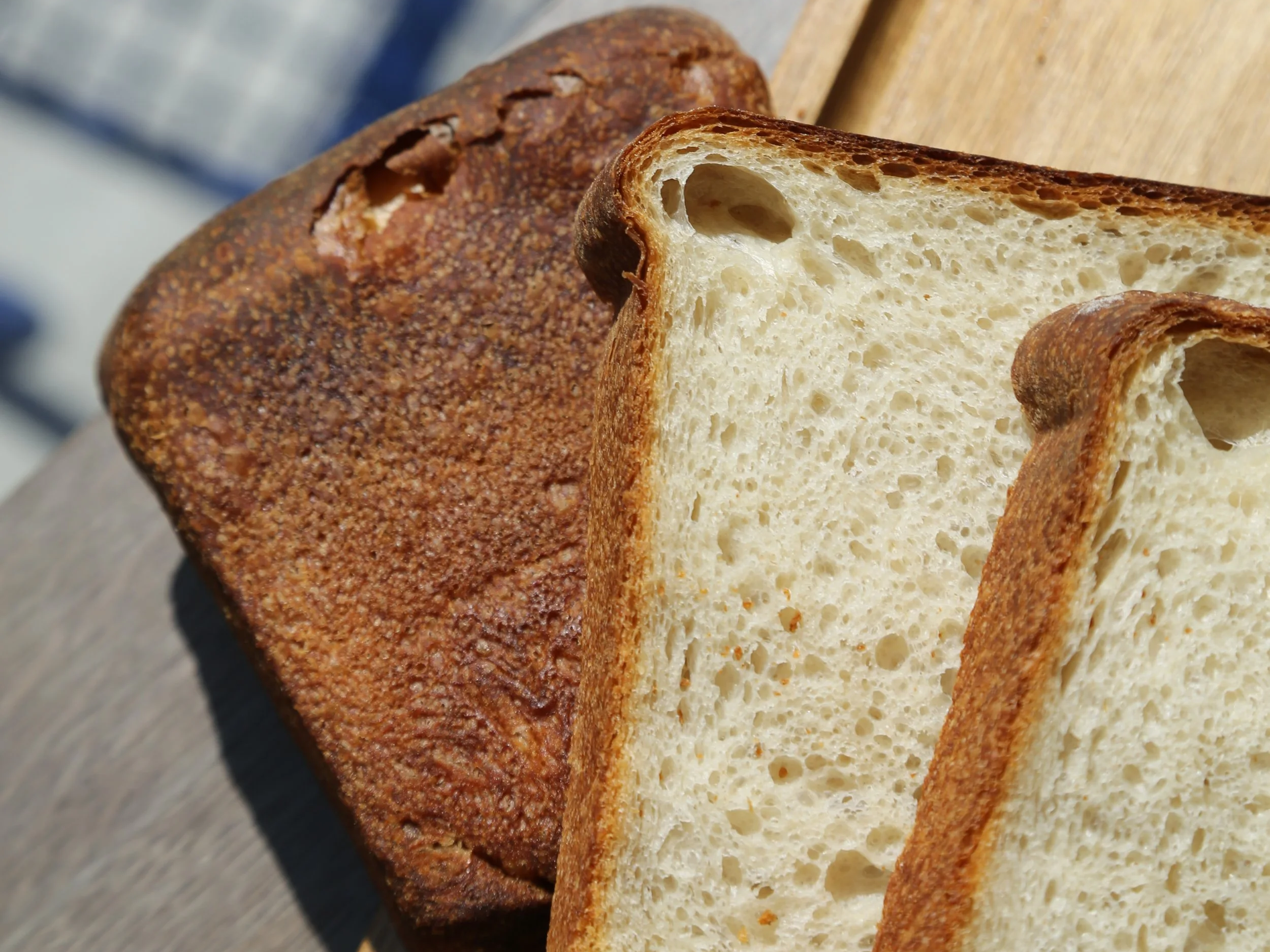
Finally, we bake these in lidded Pullman pans. Where our hearth loaves are exposed to direct heat and form their own thick crust, the pan insulates the dough on all sides, trapping steam and keeping the entire loaf soft inside and out. The result is that clean golden square — partly for the texture, and partly because we just love how they stack on the shelf.
HOW TO EAT IT
This is your Everyday Loaf. Treat it like the pantry staple it is designed to be.
The "Picnic" Sandwich: Cut into triangles, crusts off (if you must), with lemon-caper tuna salad, or butter, cheese, and cucumbers.
French Toast: Because of the egg and oil enrichment, this bread soaks up custard beautifully and fries up golden and rich.
The Ultimate Grilled Cheese: The tight crumb locks in the cheesy goodness, and the flat surface ensures an even, golden toast.
School Lunches: The perfect vehicle for peanut butter and jelly. It's the one that gets them eating better without knowing it.
HOW TO STORE IT
Because of the scald method, this bread stays naturally fresh without preservatives for 3–4 days, and will still be great for toasting for up to a week.
If you can’t finish it, freeze it. Slice the whole loaf (we will happily do it for you) and freeze it in a sealed bag. Just pop a slice into the toaster whenever you need toast.
WHERE TO BUY IT
You can find Pain de Mie Wednesday-Sunday at our bakery at 685 Grand Avenue in St. Paul; on DoorDash; on Uber Eats; or at one of our neighborhood pickup locations in North Minneapolis (Wednesday), Minnetonka (Thursday) or St. Louis Park (Friday).