
Why everything we bake is sourdough
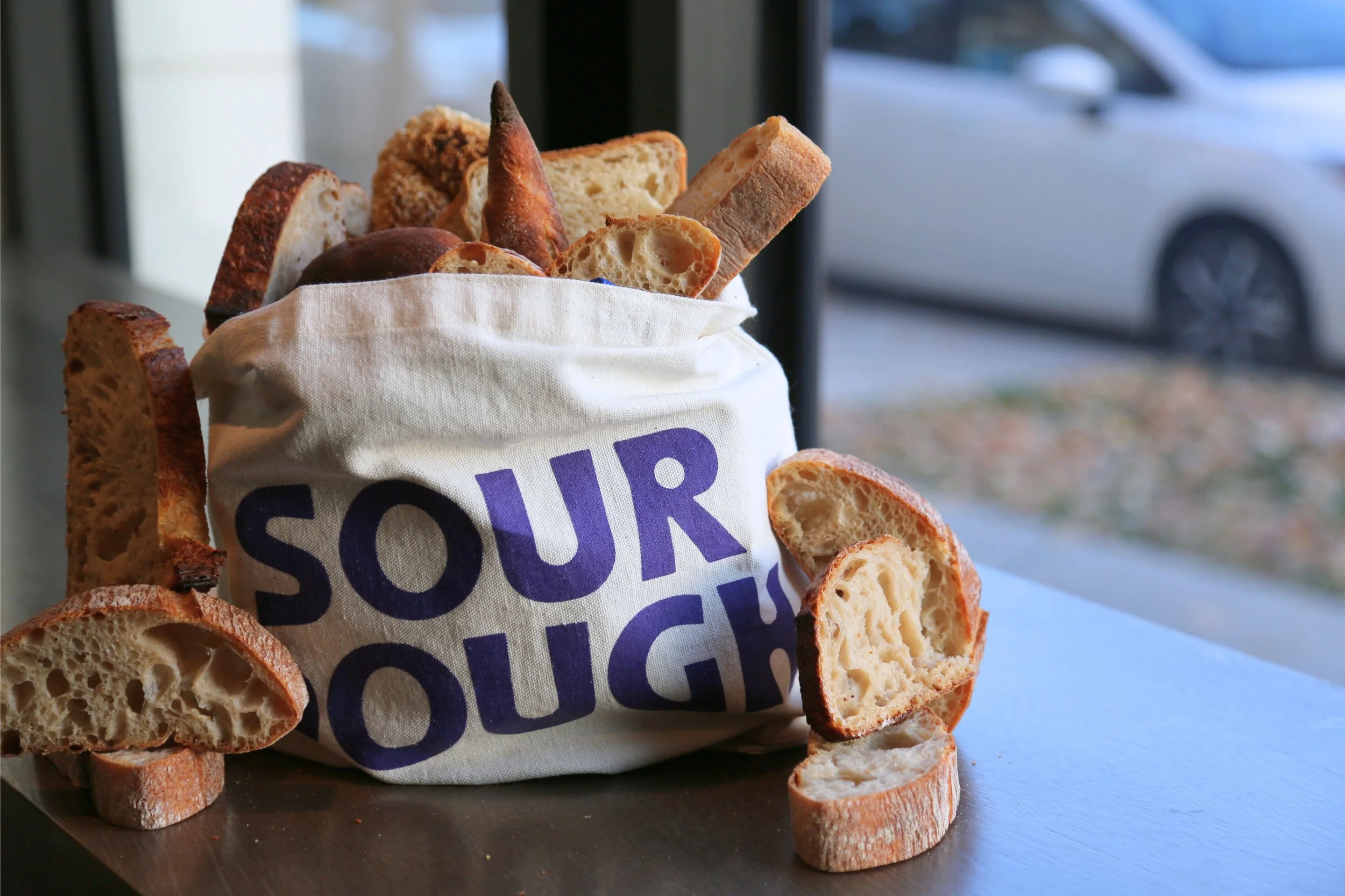
People are surprised to learn this. But “Which one is sourdough?” is probably the No. 2 most frequently asked question we get at our counter or the farmers market. (Why the bread looks so dark is No. 1.)
Yes, it’s all sourdough. The San Francisco, everyone already assumes. But also the Traditional Baguette. The Challah. Both the Razava and Jerusalem Bagels. The Miche. Even the pillowy Pain de Mie, which looks more like a supermarket loaf than what people picture when they hear the word sourdough.
The confusion is fair. Somewhere along the way, sourdough came to mean one particular loaf — a golden blonde boule, lightly flour-dusted and blistered across the top, and tangy enough to make you tear up.
Today, the term is everywhere.
But real sourdough is a process, not a product. And the key to the process is time.
A WORD NOBODY OWNS
Outside Naples there’s an office that will tell you, in exacting detail, whether a pizza has earned the right to call itself true Neapolitan — the flour, the flame, the seconds against the oven floor. Sourdough has no such office.
France comes closest, defining pain au levain in law, and even there a loaf can carry a pinch of commercial yeast and keep the name. Otherwise, the word is anyone’s to borrow — which matters, because the people looking for real fermentation have only the word to go on.
(None of this is a case against yeast. Wild yeast is half of what raises a sourdough culture in the first place, and even a pinch of the commercial kind has an important role to play in some types of real sourdough bread.)
OUR DEFINITION
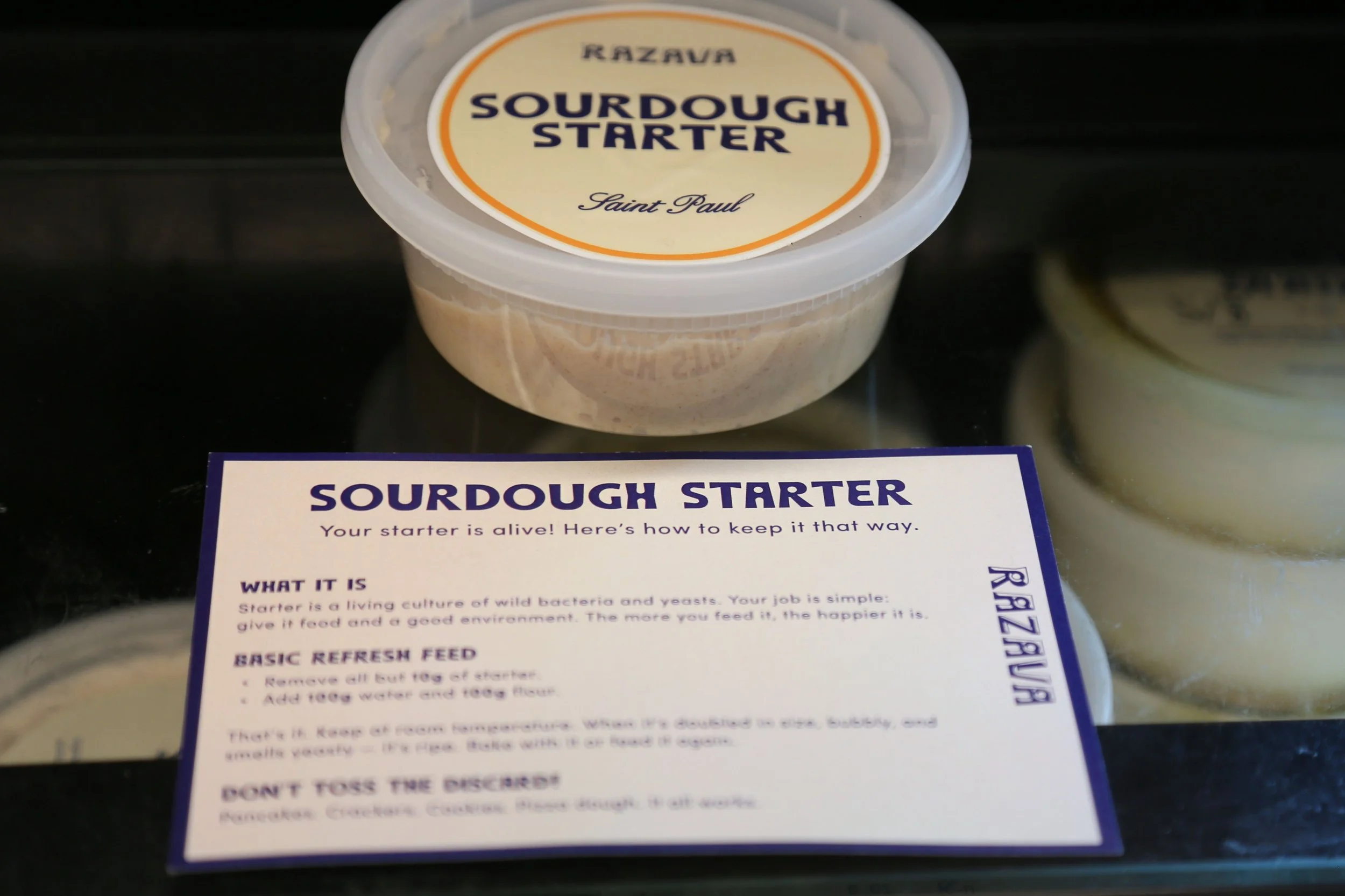
Real sourdough is a dough raised by a living culture: wild yeast and lactic-acid bacteria working together. It’s in the family of fermentation that turns milk into yogurt, grapes into wine, and cucumbers into pickles. Bread belongs on that list. Given time in the dough, the culture goes to work breaking down sugars and proteins, and drawing flavor up out of the grain.
But a sourdough culture without time is like stock made in five minutes. Sure, you can drop the bones in water and call it stock, but flavor doesn’t come out of them that fast. You’re left with warm water and a hint of something. Deny the culture enough time to do its work, and all it leaves behind in the finished loaf is a faint tang and a marketing tagline. (And don’t even get us started on the shortcuts some industrial brands take just so they can slap a sourdough label on their bread bag.)
Time is the most important ingredient
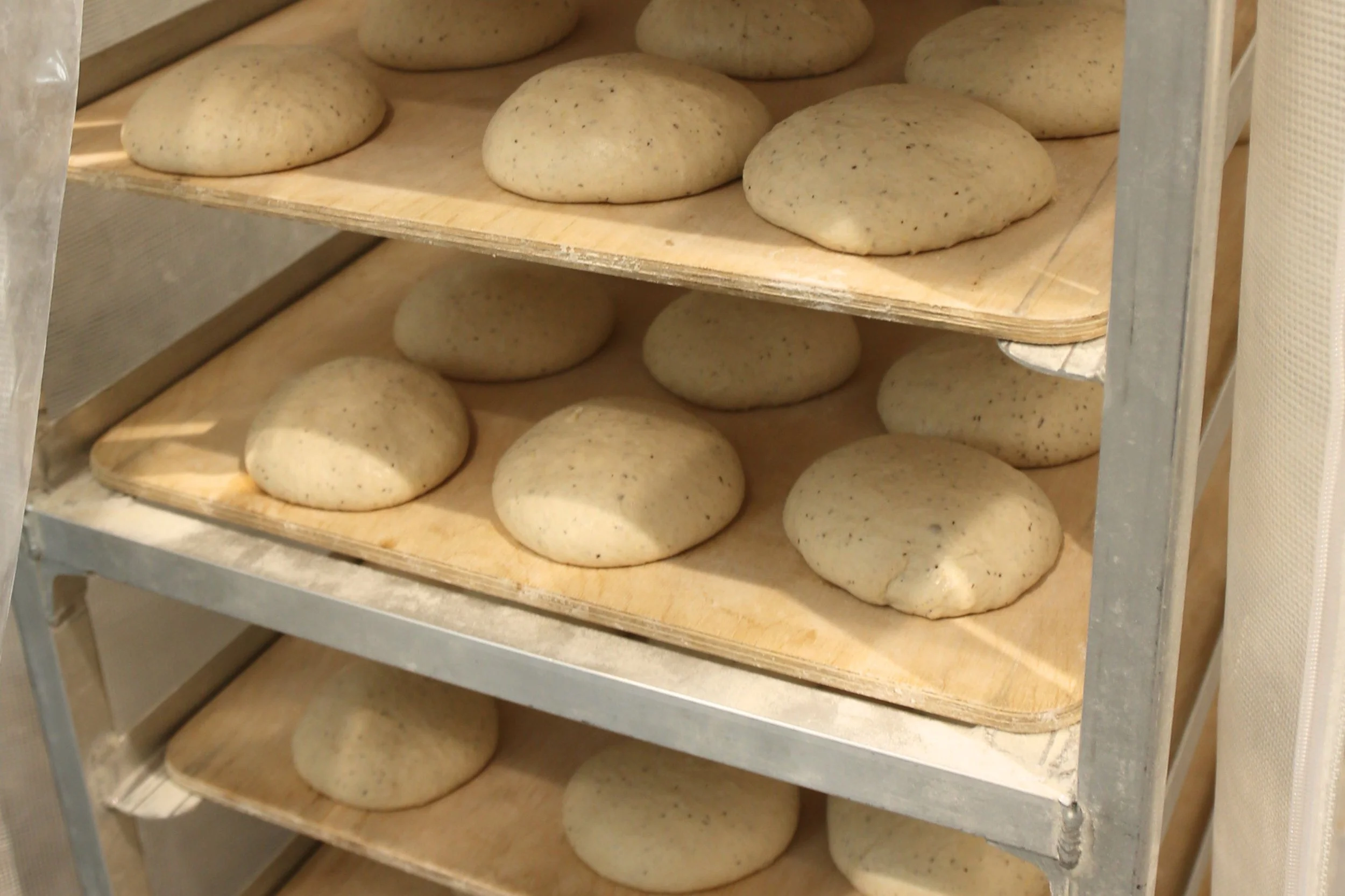
Time never shows up on an ingredient label. It costs more than the flour. And it’s the first thing a bakery in a hurry learns to cut. The problem is what speed skips: a loaf pushed from scratch to shelf before lunch fills with air, and the work that takes time never happens.
Give a dough its hours, though, and everything changes. Real sourdough is, more than anything, the slow manipulation of time — not just how many hours the dough sits, but what happens to it along the way.
Most people picture two temperatures for dough: the fridge and the counter. In practice there’s a whole range between them, and every stop on it draws something different out of the grain. A dough that ferments cold the entire time comes out acid-forward. A dough that ferments warm the whole way comes out sweet, mild, and barely tangy. Neither is wrong. Both are real sourdough — just different answers to the same question: what do you want the time to draw out?
OUR ANSWER
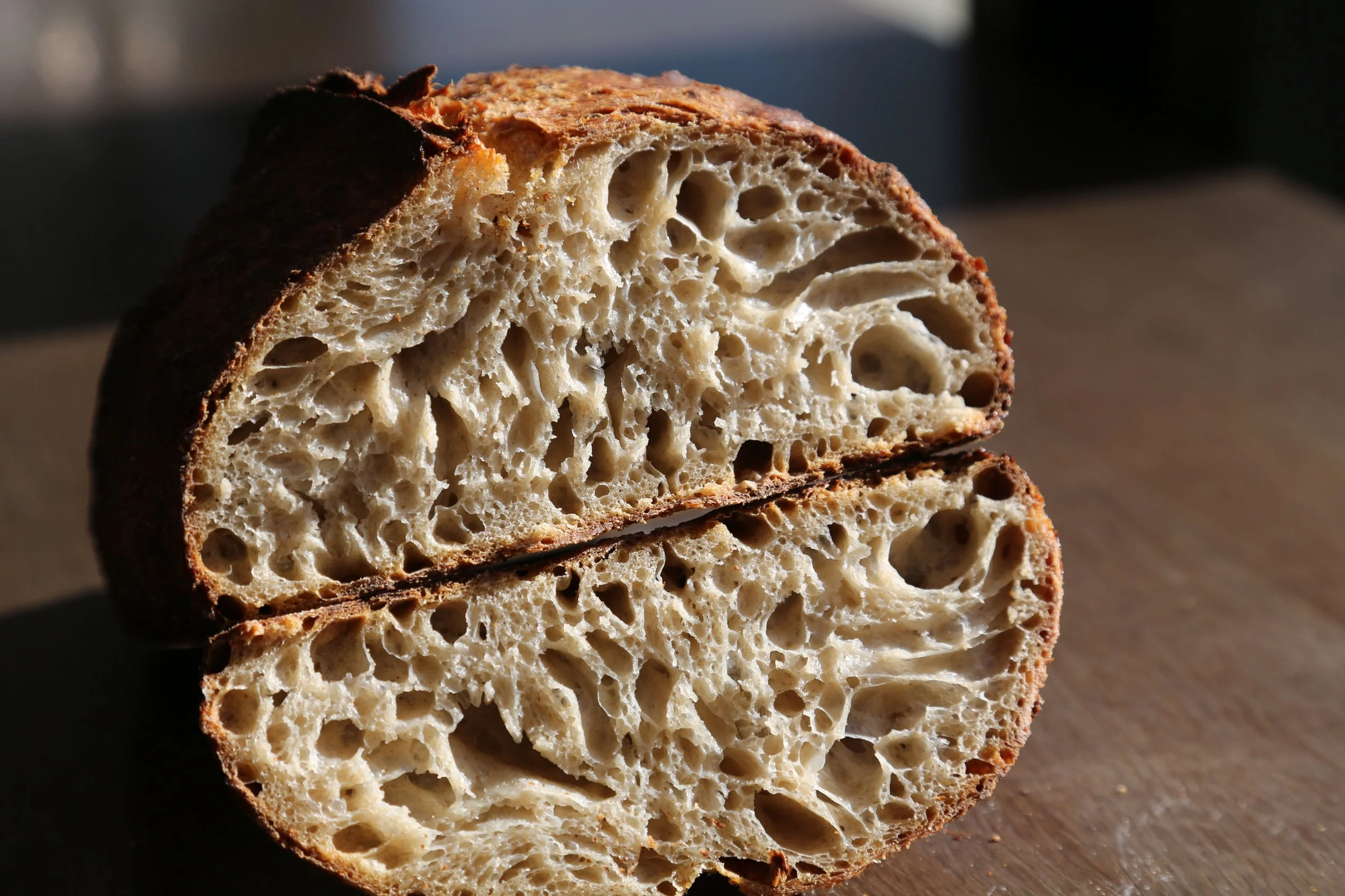
All of it. Our dough travels through warm stretches where one part of the culture does its work; cool ones where another takes over; and the transitions in between, with a baker shepherding it the entire way. A few degrees in either direction changes the flavor of the finished loaf, which means someone has to be paying attention.
And yes, there is such a thing as too much time. Fermentation is a breakdown process, and a culture never stops eating; give it long enough and it runs out of food in the dough and starts feeding on itself. Past a certain point the dough degrades instead of deepens, and you can taste it: the sugars that would have been sweetness are eaten down into acid, and what’s left is sharp, one-note, with nothing underneath.
This is why bakers don’t call them recipes. A recipe is something you follow to the letter. What we work from are formulas: guidelines that rely on a baker who understands the process well enough to read what the dough needs and respond. What flours are you using? What’s the time doing? What are the temperatures doing? What’s the mix doing? Every one of those questions feeds the next, and somebody has to be present for all of them.
Sourdough ≠ sour
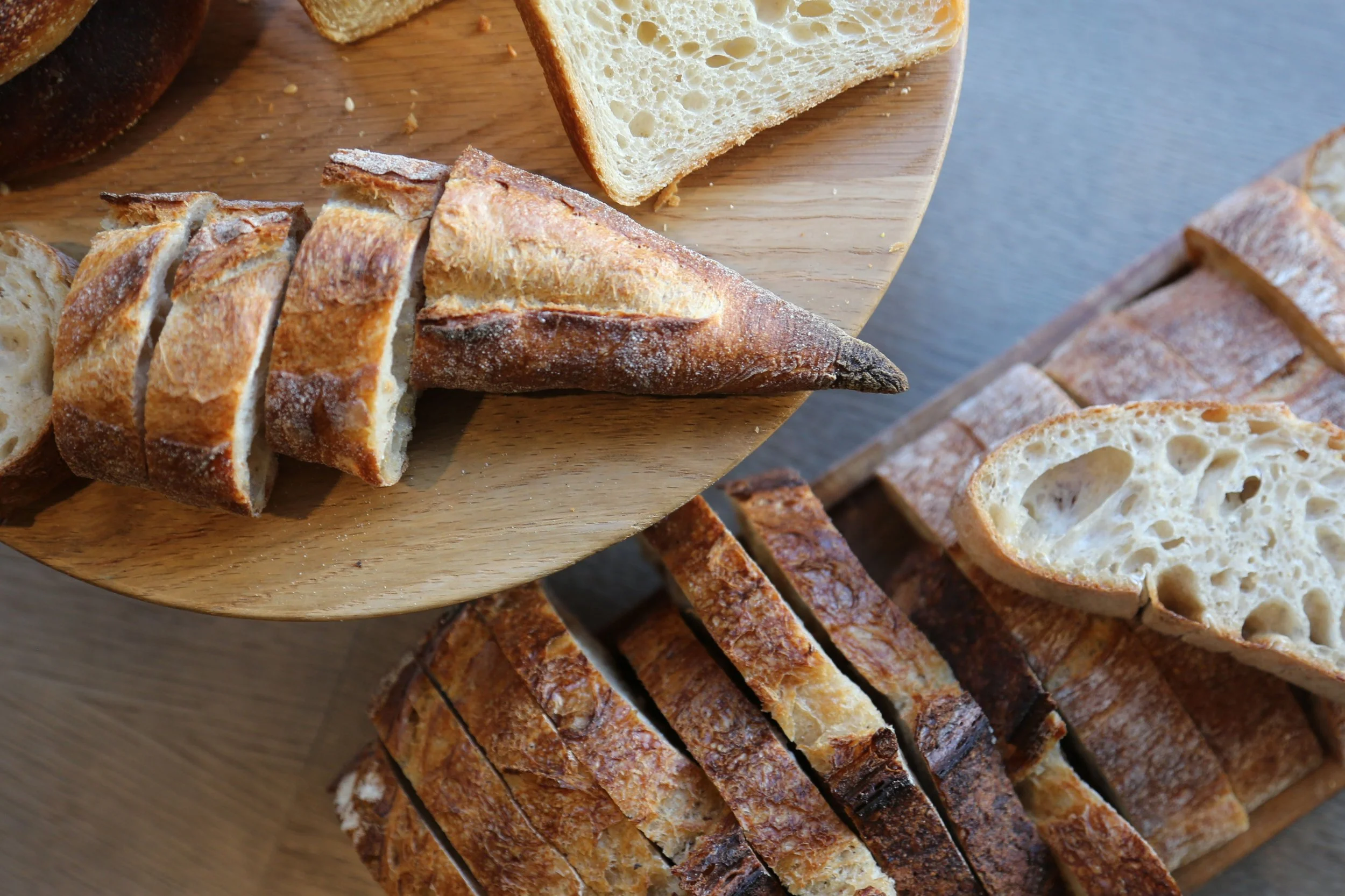
Sourdough doesn’t mean sour bread. Done right, real sourdough means flavorful and digestible bread. When bread turns aggressively tangy, that’s usually the sign of a tired, over-aged culture stirred in for flavor, or a dough left cold too long to fit a baking schedule.
Tang is only one note the culture can play. Fermentation’s deeper work is extraction: given its hours, the culture draws flavor out of the grain itself, a depth no two-hour loaf ever finds. Taste a House Loaf on a day everything went right, and you’ll actually taste sweetness first, before the mild acidity our bakers call “juicy” — that almost mouth-watering quality that makes you want the next bite.
BREAD YOUR BODY KNOWS WHAT TO DO WITH
Flavor is only half of what a proper fermentation adds. The other half is digestibility.
We’re bakers, not food scientists. But here’s what we can say from the bench. Give the culture its hours and it starts the work of digestion before you ever take a bite: proteins begin to break down, sugars get turned into acids, and because we mix our dough wet, every hour of fermentation is also an hour of soaking. Hydration is a whole other discussion, and it matters as much to digestibility as time does. More on that soon.
If you are celiac, we regret to inform you that our bread is not gluten-free. But if everyday yeasted bread has given you trouble, people who sound a lot like you keep telling us that long-fermented loaves agree with them — and we invite you to give it a try.
What we can actually promise
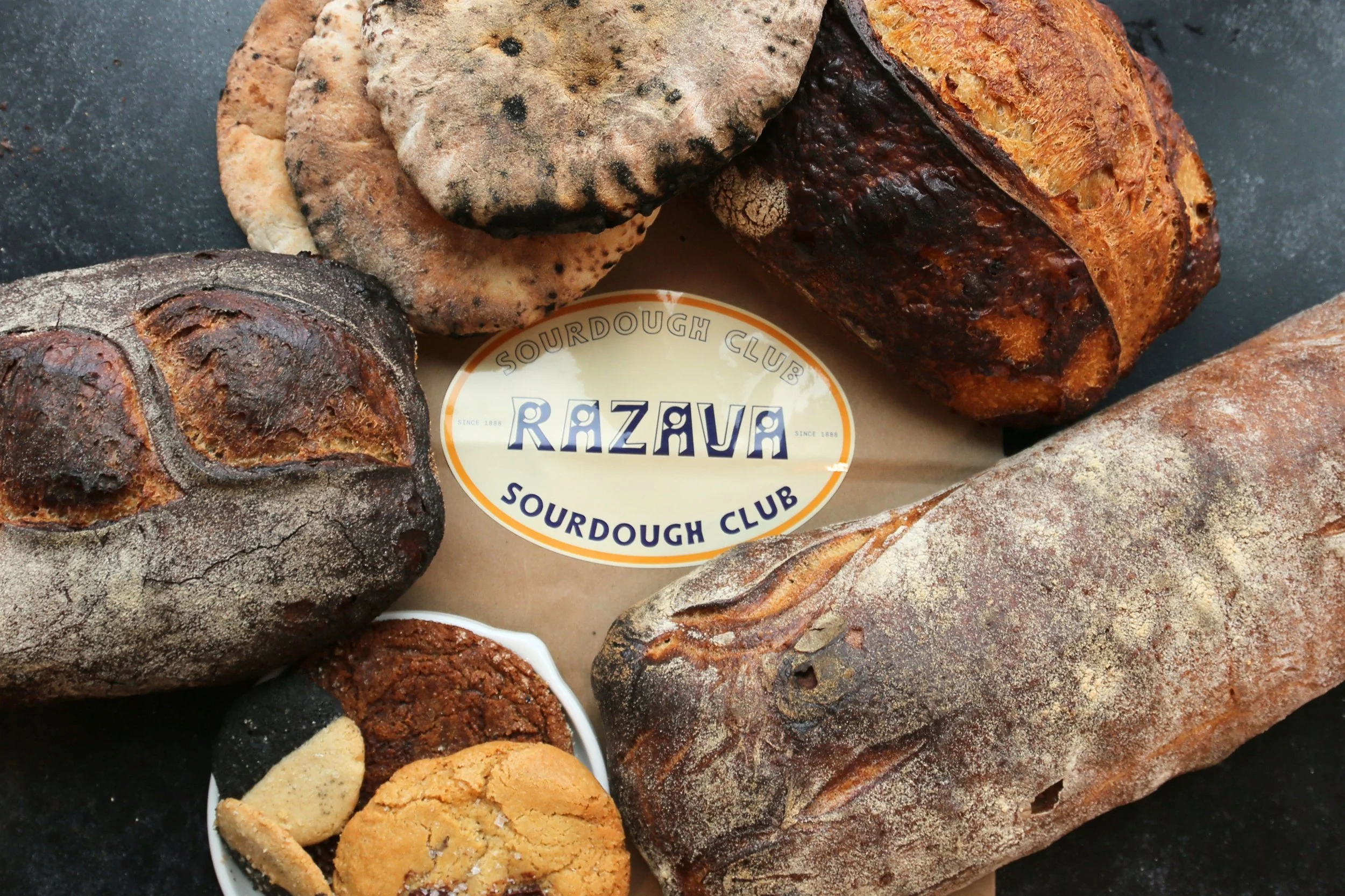
Sourdough isn’t an easy way to bake. Some days the dough runs faster than we’d like, some days slower, and not every loaf goes to plan. We’d rather say that plainly than pretend a bakery built on a live culture hits the identical mark every morning. What we can promise is the process: the culture gets its hours, at every temperature the dough needs, with a baker present for all of them.
That’s our definition of real sourdough.